Ailina Cunningham, Staff Writer
In this modern era of activism and civil liberties, the visibility of minorities has birthed the public awareness of several movements, including Black Lives Matter, criminal justice reform, and LGBTQIA+ rights. Some are more focused on a specified genre of political or racial activism, one of which has been slowly gaining steam being the rights of Native Americans. In recent memory, we can recall the protests dating back to 2016 with the occurrence of Standing Rock, Dakota. The Sioux tribes fought for their right to not have an ancient indigenous burial ground demolished to stain a crude oil pipeline.
Millions across the globe joined in solidarity to stand with them in this fight against having their land taken illegally. A common trend in history, which repeats as different parts of indigenous life is threatened. Starting in 1924 when Native Americans were granted the right to vote. This means that it was not until the 1900’s, or around 100 years ago, that Native Americans qualified as citizens on their own land and were allowed to vote. This movement for rights has gone on for years and has continued to grow in popularity in the public domain as members of tribes can tell their stories.
Currently, a movement is being made to find the missing women and children who are supposedly being brutally harmed but have not been reported or investigated. This is a very disturbing fact given the ideal of the criminal justice system is to investigate every crime to achieve justice. Organizations such as the Native Women’s Wilderness Organization have put up videos and information to explain the problem to the public and raise awareness. This awareness garnered White House attention back in 2019 in the form of designating May 5th as the National Day of Awareness for Missing & Murdered Native Women and Girls. Additionally, this form of awareness brought about the existence of Executive Order 13898, or in other words, operation of Lady Justice. This is an operation that builds a task force to find the missing women and children who are of indigenous descent or ethnicity. Statistics are not currently out on how many women or children have yet been found.
The fight for awareness and understanding of Native American Rights has reached new audiences currently with social platforms, such as TikTok and YouTube, which allow personal accounts on issues from the voices of Indigenous people to reach a more public platform. Using this platform has become a way for indigenous people to find pride in their history and their culture, rather than trying to blend in with the modern culture that excludes their heritage. Trends such as #NativeTikTok and #NativeStories allowed Indigenous people to share their culture and their heritage with people who may not have any other way of knowing about indigenous life.
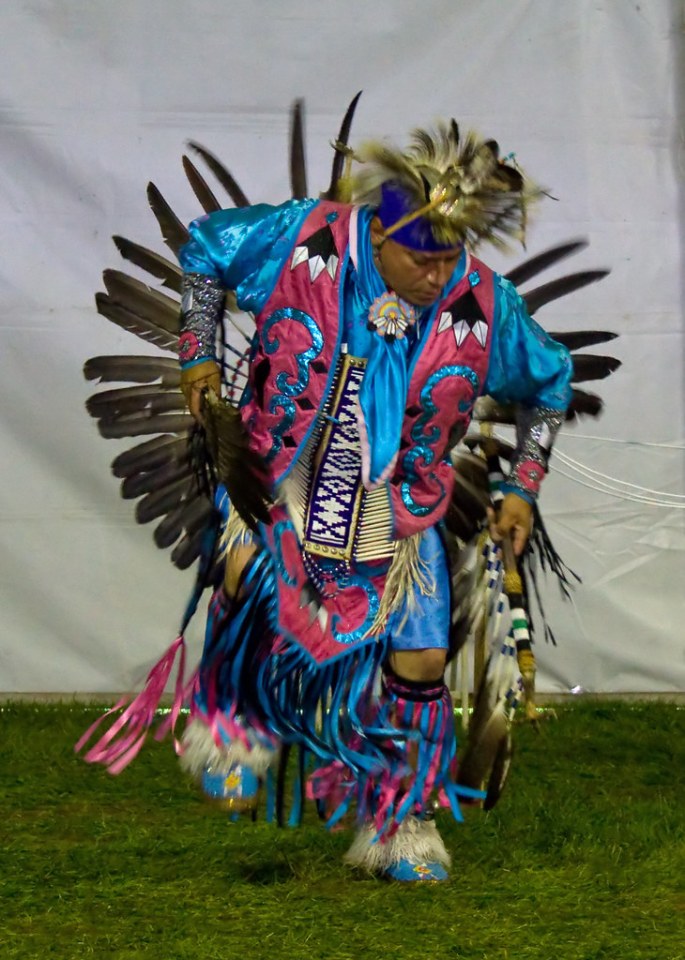
Fighting for your civil rights is one thing, and it is very important, however, these people have found a way to fight for their heritage as well. By telling stories that were passed down to them so that the stories do not disappear, and instead reach a wider audience. Some creators have even started to explain indigenous dances and tribal rituals to spread awareness of the cultural significance that they bring. In this modern-day, as rights movements soar in public awareness, so does Indigenous awareness.
 The Belltower