Kayla May, Staff Writer
Like many other aspects of life, the COVID-19 pandemic has disrupted the enrollment numbers at higher education institutions. According to the National Student Clearinghouse Research Center, from fall 2019 to fall 2021, undergraduate enrollment declined 6.6 percent, which represents approximately a little over a million students1.
One in four students that enrolled in college in fall 2019, did not return the following fall. 20.7% fewer students enrolled directly from high school to college from 2019 to 2020. In the past decade, there has been an overall decline in enrollment of 13%1. These are examples of staggering statistics that illustrate a dangerous pattern in higher education enrollment.
Why is this happening? The pandemic has played a big role. It made people reevaluate how they prefer to work (remote or in-person) and where they would choose to work.
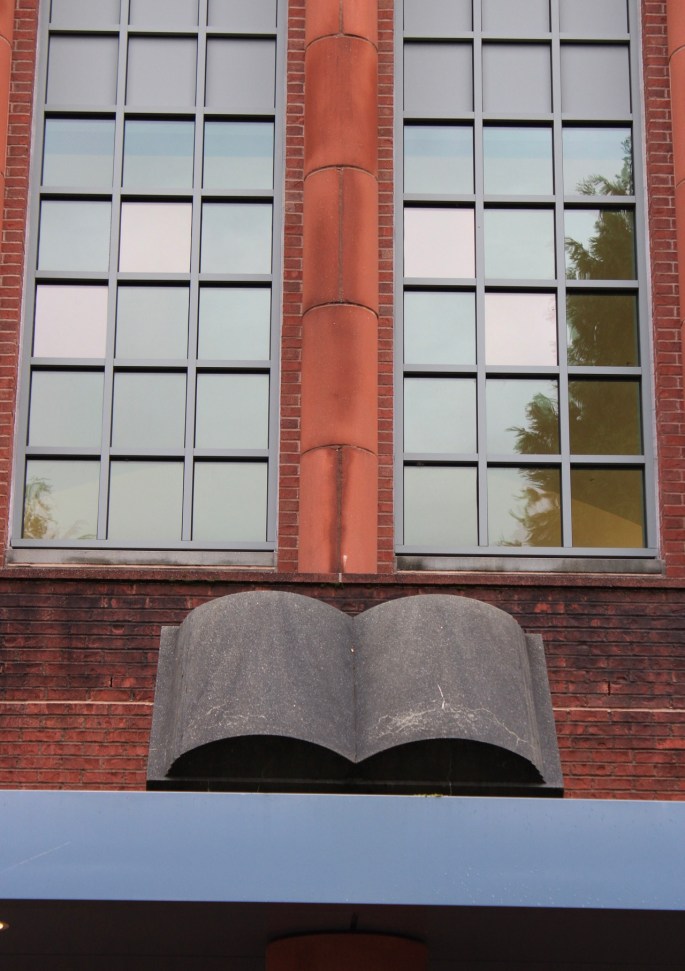
Photo by Judea Murphy
People even begun to reevaluate the value of a college education itself, resulting in pandemic economy, people opting for better-paying jobs instead of spending money on college2. Students began to realize that they could be just as successful, if not more, in many fields without a college degree; and they could achieve that success faster if they didn’t “waste” four years in school.
Part of this devaluing of college comes from the cost. For many students, especially those who identify as low-income in high school, they could not justify spending large amounts of money on something that would not greatly reward them down the line. Doug Shapiro, the executive director of the National Student Clearinghouse Research Center, stated, “It feels like they’re less confident about what the payoff will be, particularly now when the job market is very strong, when there’s high demand for low-skilled workers without a degree and their wages are rising”2.
Saint Martin’s University is no stranger to these issues. From 2021 to 2022, enrollment dropped by 59 students. From 2022 to 2023, it dropped by 110. SMU has always been a small, private four-year institution, typically hosting about 1200-1400 students each academic year. On such a small campus, the presence of every student is felt, so when just 100 students decide not to come back or not enroll in the first place, it is very evident.
Walking through the halls of Harned Hall or Old Main and looking into the classrooms, you’ll see many classes that have less than 10 students. Observing the Fall 2023 10-Day Count conducted by SMU Institutional Effectiveness, you can see that many popular majors are rapidly declining in numbers. From 2019 to 2021, Business Administration is down 19 students, Biology down by 22, Civil Engineering by 20, and Psychology by 31. There are even multiple undergraduate programs that have less than 10 students.
Looking at SMU specifically, it’s hard to pinpoint what is causing this decrease in enrollment numbers. The issues discussed previously, such as the devaluing of a college degree and the cost, are generalized issues that all higher education is dealing with.
In order to combat this problem and get enrollment numbers back to where they were, or maybe even increased, SMU needs to make a college degree desirable again. As an institution, we need to think of creative ways to get students interested in the unique things we have to offer. We need to make prospective students realize that the money and the hard work that goes into earning a degree from SMU will set them up for success more than entering the workforce and skilled labor straight out of high school will.
Resources
I. Knox, L. (2023, October 26). Undergraduate enrollment up for the first time since 2020. Inside Higher Ed | Higher Education News, Events and Jobs. https://www.insidehighered.com/news/admissions/traditional age/2023/10/26/undergraduate-enrollment-first-time-2020
2. Zdanowicz, C. (2022, January 13). College enrollment has been dropping. the pandemic has made it worse. CNN. https://www.cnn.com/2022/01/13/us/college-enrollment-decline-trnd/index.html
 The Belltower