
By: Lylah Tran
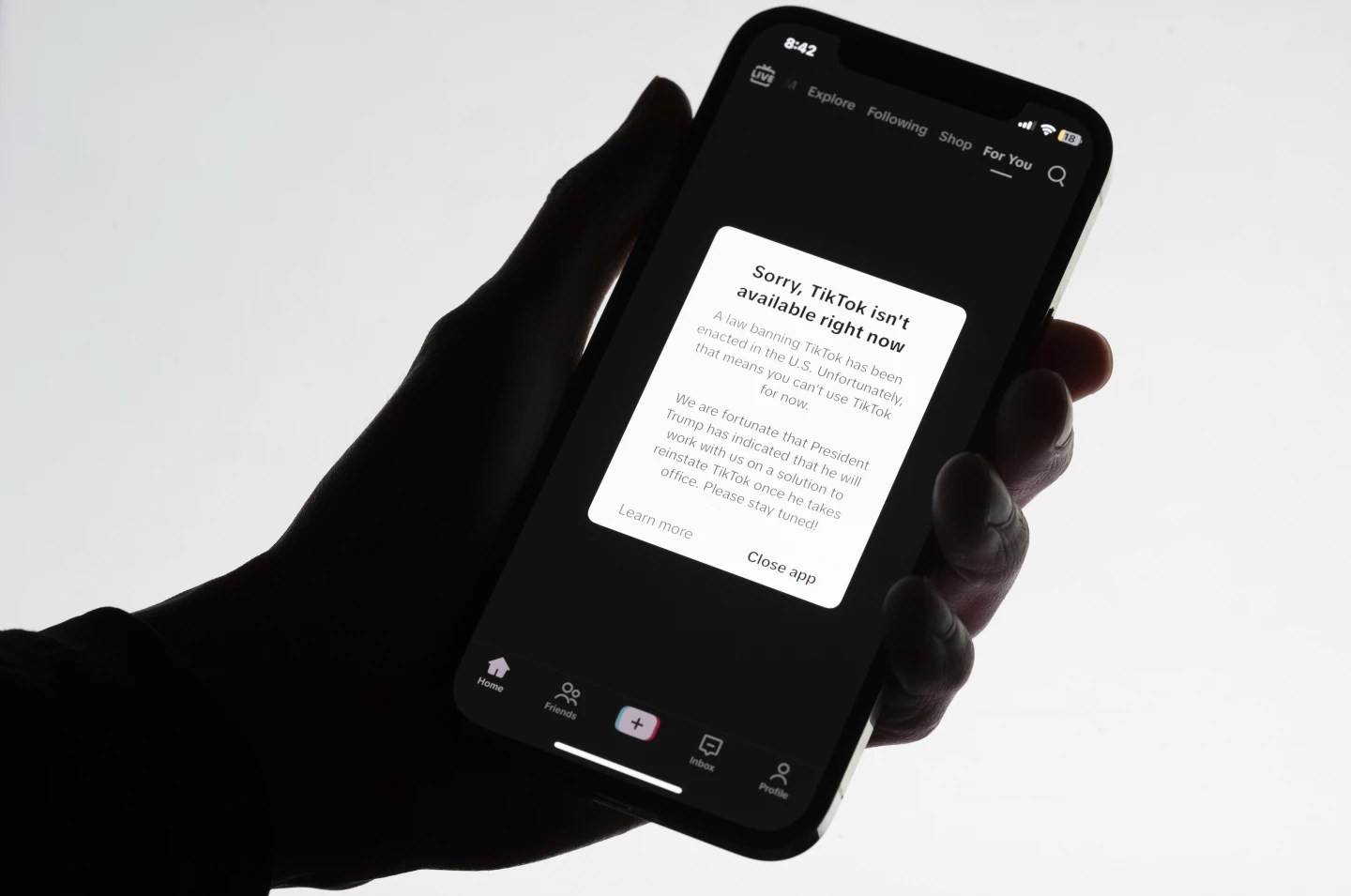
On Sunday, Millions of U.S. TikTok users woke up to find the popular video-sharing app inaccessible, following a federal ban requiring ByteDance–TikTok’s China-based parent company–to sell its U.S. operations or face extermination from app stores. The ban passed by Congress in April with bipartisan support led to Google and Apple pulling TikTok from their platforms. However, President-elect Donald Trump announced plans to pause the ban through executive order on his first day in office, temporarily restoring service.
According to PBS.org (2025), Trump exclaims, “Americans deserve to see our exciting Inauguration on Monday, as well as other events and conversations.”
Concerning data privacy and potential foreign influence, TikTok with its over 170 million users in the U.S. has faced scrutiny for years. Trump attempted to ban the app in 2020, but his efforts were blocked by courts. The recent push to remove TikTok from the U.S. market gained momentum in Congress last year, leading to the current sale-or-ban legislation. Despite the deadline, ByteDance repeatedly stated it would not sell its U.S. operations, leaving the app’s future uncertain.
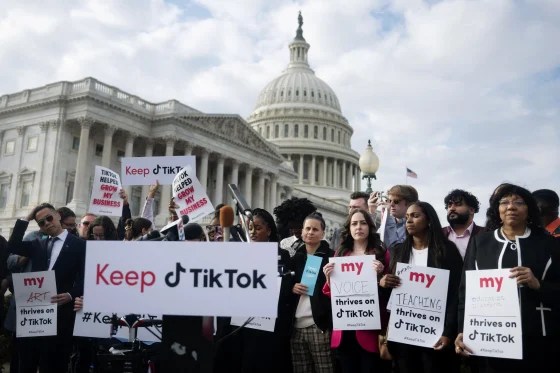
Lawmakers declared national security risks as the primary justification for the TikTok ban, warning that the app’s algorithm could be manipulated by Chinese authorities. The U.S. Supreme Court ruled unanimously on Friday that these concerns outweighed potential free speech violations. The law passed in April required ByteDance to divest TikTok’s U.S. operations or face removal from app stores, with steep penalties for companies that failed to comply. While some investors, including former Treasury Secretary Steven Mnuchin, expressed interest in acquiring TikTok, no clear deal had been reached by the deadline.
For many users and university students, TikTok is a platform for communication, expression, activism, and income–more than entertainment. PBS.org also mentioned how content creator Tiffany Watson, 20, expressed disappointment over the app’s temporary shutdown. “The community on TikTok is like nothing else, so it’s weird to not have that anymore,” she said.
With the uncertainty surrounding TikTok’s future, some influencers have migrated to platforms like Rednote, Instagram, and YouTube. Meanwhile, universities that had previously restricted TikTok on campus Wi-Fi continue to monitor the situation, as students and faculty debate the implications of the ban.
Following Trump’s announcement, TikTok confirmed that it was restoring service in the U.S. Documented on PBS.org, it was stated that the executive order provided “the necessary clarity and assurance to our service providers that they will face no penalties.” Despite such, the app remains inaccessible on Apple and Google stores.
TikTok CEO Shou Chew thanked Trump for working with the company to prevent a full shutdown, calling it a “strong stand for the First Amendment,” as mentioned in PBS.org. Meanwhile, debates about whether the ban is justified are continued, with free speech advocates criticizing government overreach and national security officials emphasizing potential risks.
Trump’s motives behind intervening have also started speculation. Some view his reversal as a strategic move to gain favor with young voters, especially after previously pushing for a TikTok ban in 2020. Others question whether his actions were influenced by business interests, considering his suggestion that the U.S. should have a 50% stake in a joint venture. As the debate continues, the future of TikTok in the U.S. remains uncertain, with the new administration’s next steps under critical observation.
 The Belltower